A Very Calculated Christmas
Posted on:
November 19, 2026

A Very Calculated Christmas
Christmas shopping used to be relatively simple. You made a list, checked it twice and hoped your credit card survived the experience.
Today, buying a Christmas present can require more research than buying a used car. There are price alerts to monitor, discount codes to find and the lingering suspicion that whatever you just purchased will be 30% cheaper tomorrow.
And yet, for all the complaints about inflation, grocery bills and the general cost of being alive, Americans are still planning to spend a considerable amount of money this holiday season.
According to Gallup, Americans expect to spend an average of $1,011 on holiday gifts this year, roughly in line with their spending plans over the past two years.
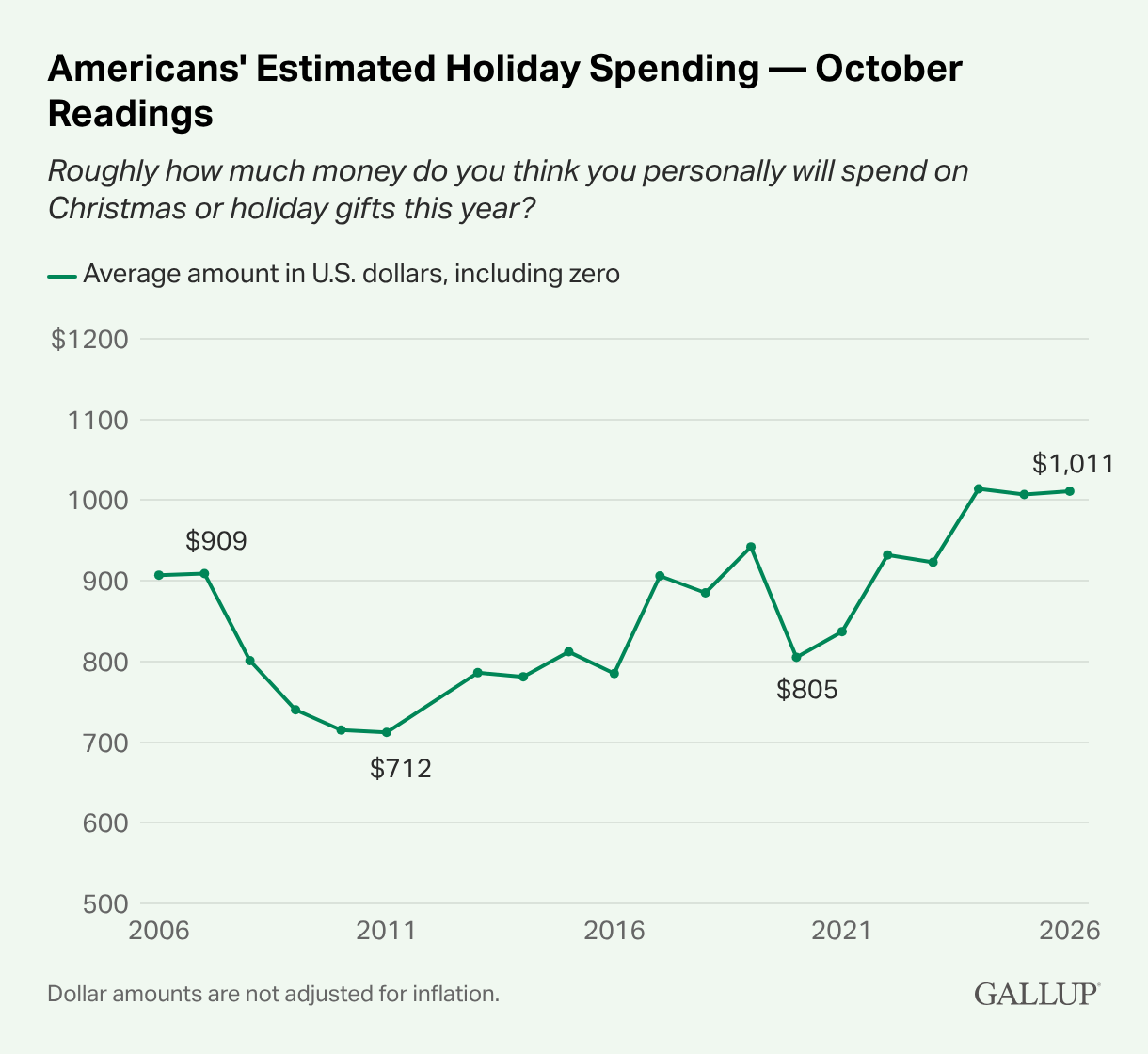
Apparently, Christmas remains one expense Americans are reluctant to cut.
That's worth paying attention to. Because while consumers are becoming increasingly careful with their money, they're also demonstrating something that businesses should understand: People will find room in their budgets for the things they believe are worth it.
The Art of the Deal
Americans may be holding steady on holiday spending, but they're getting considerably more strategic about how they do it.
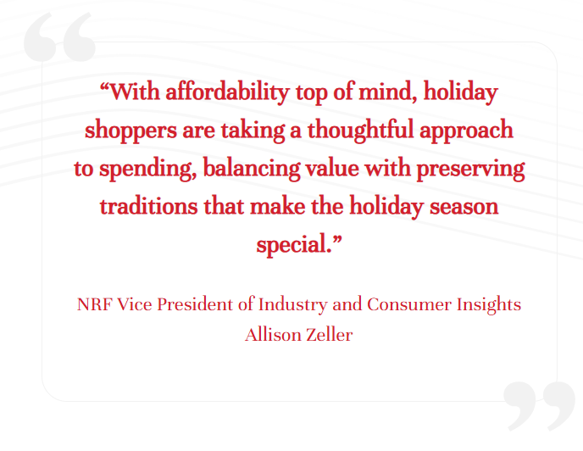
The National Retail Federation reports that 56% of holiday shoppers say the state of the economy will influence their spending decisions this year. Among those consumers, 43% plan to shop sales more frequently, while others expect to compare prices online and use coupons more often.
And consumers are increasingly willing to wait for the right deal. According to NRF, 64% of shoppers expect to wait until Thanksgiving weekend to do most of their holiday shopping, compared with 51% five years ago.

This is where things get interesting.
Deloitte's 2026 Holiday Retail Survey identifies 38% of shoppers as "holiday value seekers," consumers who employ multiple strategies to stretch their shopping dollars. Yet those same shoppers expect to spend 12% more than other consumers.
Think about that. Some of the people working hardest to save money are also planning to spend the most.
There's a distinction here between spending less and spending wisely. Consumers are looking for opportunities to get more for their money, whether that means waiting for a sale, comparing retailers or choosing products they believe offer better quality.
The goal is still to give the gift. They're simply becoming more selective about what deserves their money.
And that distinction tells us considerably more about consumer behavior than another forecast about holiday retail sales.
What's Worth Giving?
If shoppers are becoming more selective about spending, the next question is what makes something worth buying.
Increasingly, the answer involves experiences.
According to NRF, 27% of holiday shoppers plan to give an experiential gift this year, up from 19% five years ago. Deloitte's research also points to growing interest in experiences, with half of surveyed shoppers planning to give gifts such as restaurant meals, concert tickets or other activities.

The two surveys measure the trend differently, but both suggest that consumers are looking beyond traditional presents.
Of course, this makes perfect sense in the Gulf South, where we've never needed much convincing to spend money on a good meal, a celebration or an excuse to get everyone together.
Think about the holidays around here. The family gathering that somehow lasts six hours. The restaurant everyone visits when relatives come home. The annual tradition that has become so important that missing it would practically qualify as a family emergency.
These are the things people remember long after the wrapping paper is gone.
And they're a useful reminder that the value of a purchase often extends beyond the item itself. A concert ticket is an evening with friends. A restaurant gift card is an opportunity to spend time together. Even a carefully chosen physical gift can represent a shared memory or personal connection.
Consumers are weighing those benefits alongside the price tag.
More Than a Transaction
That desire for something meaningful may also help explain another interesting development in holiday shopping.
After years of hearing that online retail would eventually replace the traditional shopping experience, consumers appear to be finding reasons to return to physical stores. NRF reports that 53% of holiday shoppers plan to shop online this year. While online remains the most popular shopping destination, that's the lowest percentage since 2015.

Among shoppers who prefer buying in person, some want to examine merchandise before purchasing. Others appreciate the experience of visiting stores during the holidays. Convenience certainly matters. But so does the experience surrounding a purchase.
Anyone who has wandered through a decorated department store in December understands the appeal. Sometimes shopping is about finding the perfect gift. Sometimes it's about enjoying the season, browsing with family or discovering something you hadn't considered buying. And sometimes it's simply easier to decide whether something is worth $75 when you're holding it in your hands.
The larger point is that consumers are making decisions based on a combination of practical and emotional considerations. Price, quality, convenience, trust and personal connection all play a role. A good deal might get someone through the door. What happens afterward can determine whether they make the purchase.
Beyond the Price Tag
For businesses, the lesson from this year's holiday shopping research extends well beyond December.
Consumers are demonstrating that financial caution and a willingness to spend can exist at the same time. They're paying closer attention to prices, but they're also deciding which purchases deserve priority. And those priorities are shaped by more than economics.
The holidays offer an annual reminder that consumer decisions are rarely about price alone. People make room in their budgets for the things that bring them joy, connect them with others and reinforce the traditions they value.
That's especially familiar here in the Gulf South, where we'll spend three weeks complaining about the price of groceries and then somehow find the money to feed 25 relatives on Christmas Day.
For businesses, understanding that distinction matters. A lower price might get someone's attention, but understanding what they value is what earns their business.
Stay Ahead of What's Moving
Understanding this region takes time, attention and perspective. Let us help you navigate uncertainty and take action.